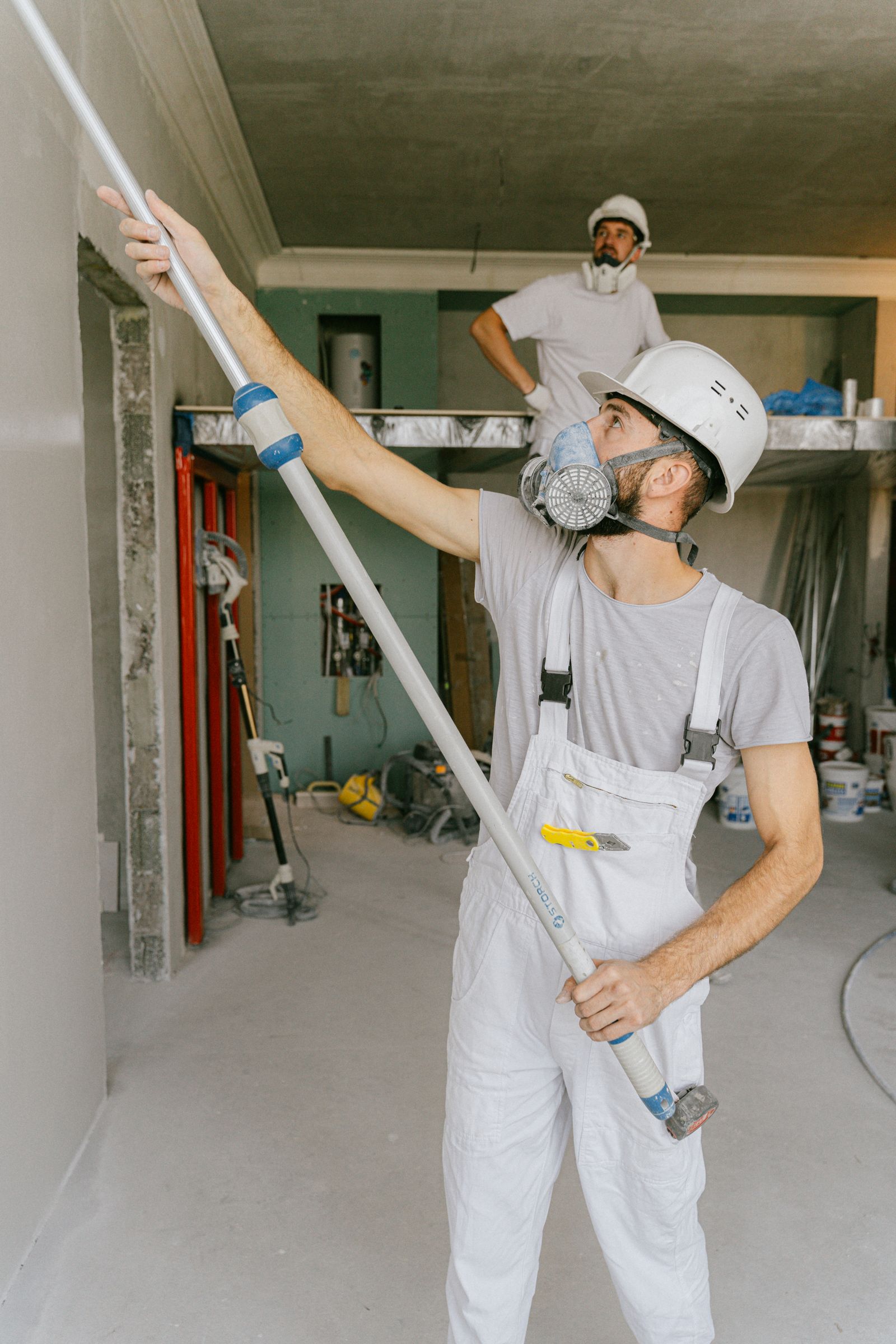
Short answer: clean sound walls first, test a small touch-up where matching paint is available, repaint a complete wall when repairs cannot blend, and repaint the room when several surfaces need a consistent new finish. Diagnose leaks, loose drywall and other underlying defects before any cosmetic work. Quote preparation separately from the amount of surface being painted.
Imagine two vacant units in Smyrna or Decatur with the same floor plan. One has a few furniture scuffs; the other has anchors, old patch outlines and mismatched paint across three walls. They should not receive identical scopes just because their square footage matches. A wall-by-wall inventory gives the owner a way to compare bids and approve a repeatable standard across a portfolio.
Walk the unit before assigning a paint scope
Identify walls by room and orientation, such as living room entry wall or bedroom window wall. Take a wide photo and a detail photo of each defect. Inspect under normal room lighting and daylight, since a patch near a window may be more visible than one behind a door. Record the existing texture, coating condition and whether you can locate the original paint label.
Distinguish ordinary scuffs from coating failure, cracked joints, loose material and stains. Mark suspected active moisture or recurring cracks for assessment rather than including them automatically in a paint-only estimate. The water-damaged walls and floors guide explains why painting should follow source correction and drying, not replace them.
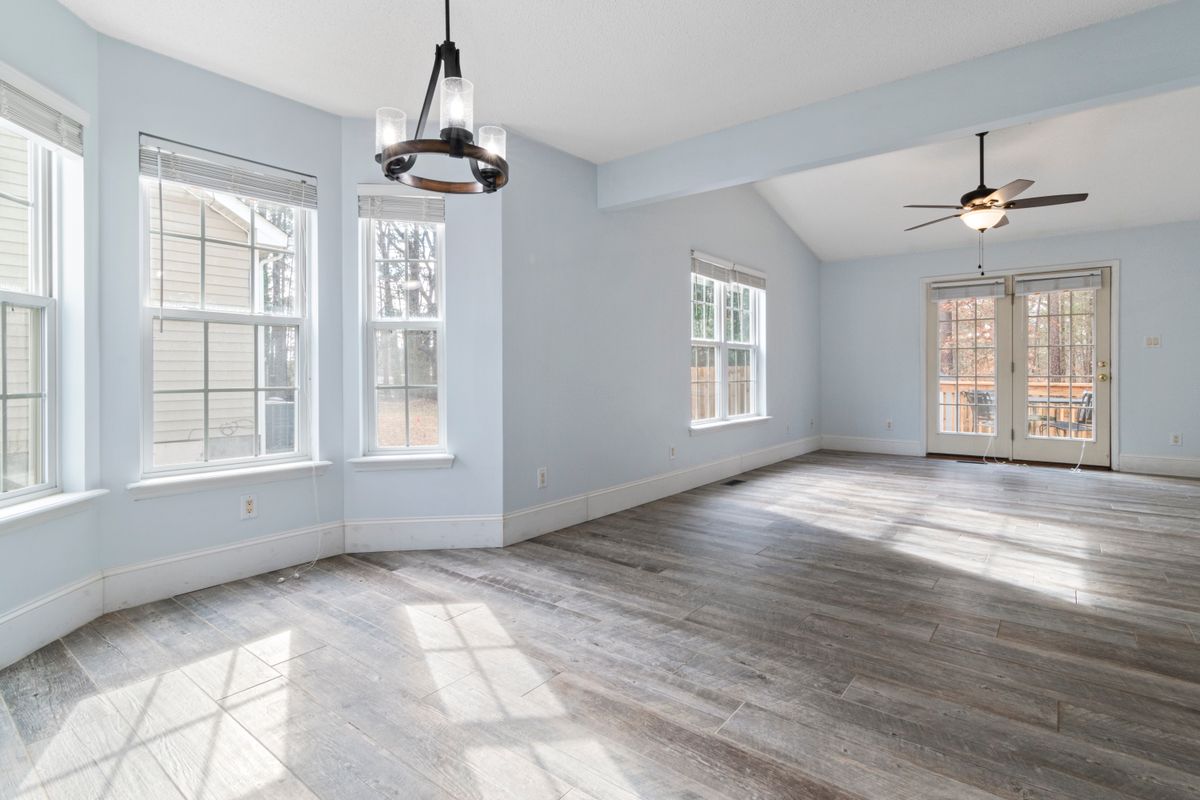
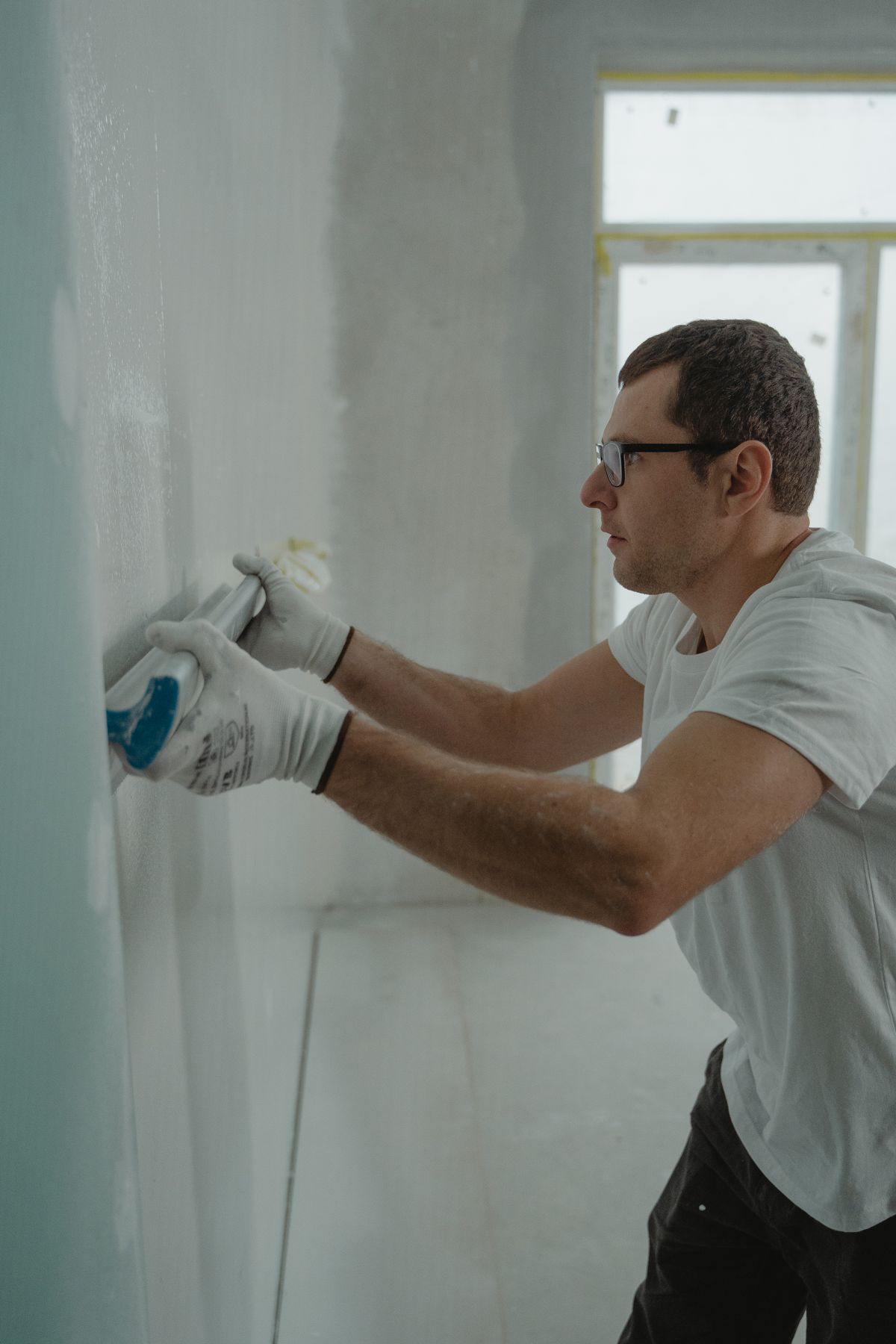
Do not assume a wall is ready for ordinary sanding or scraping. For covered pre-1978 residential properties, Georgia's lead-safe renovation requirements apply to qualifying work that disturbs lead-based paint. Review Georgia EPD's renovation program and EPA guidance for property managers. Verify required certification and work practices before assigning the job, including in vacant units. Suspected structural damage or regulated electrical, plumbing and HVAC repairs require appropriately qualified professionals.
Four scopes to use on your inspection sheet
C · Clean only
Use when: Sound coating; superficial marks that can be removed without harming the finish.
Confirm: Check the product’s cleaning instructions and test in an inconspicuous spot.
T · Spot touch-up
Use when: Small, isolated defect on a sound wall; matching paint is available.
Confirm: Approve a dry test area before assuming the repair will blend.
W · Repaint one wall
Use when: Visible patches, widespread marks on one plane or incompatible touch-up sheen.
Confirm: Specify corner-to-corner coverage and which adjacent surfaces are excluded.
R · Repaint room
Use when: Several walls need work, color changes, or a uniform finish is otherwise impractical.
Confirm: Separate walls, ceiling, doors and trim in the estimate.
Start with the least extensive treatment that can meet the agreed appearance standard. Avoid specifying touch-ups on every wall if the finish is already inconsistent. Conversely, a single damaged wall does not necessarily justify painting all four walls, the ceiling and trim. Record the boundary at a natural break such as an inside corner, and confirm color changes against adjoining spaces.
Where an open-plan living and dining area shares an uninterrupted wall, identify the actual continuous plane rather than treating the room label as a paint boundary. Accent walls and changes in sheen should be called out explicitly. This prevents disagreement about what a room repaint includes.
Why the same paint color can still look different
A color formula alone is not a complete finish specification. The original coating product, sheen, application method, age and surface texture affect the final appearance. New drywall compound can absorb paint differently from surrounding material; a roller stipple may also differ from a brush mark. Follow the selected product's preparation and application guidance instead of improvising a universal touch-up method.
Ask for a small test after necessary preparation and primer. Allow it to dry according to product instructions, then inspect it under the lighting the next resident will actually use. Sherwin-Williams' application FAQs discuss visible halos and the possibility that an entire wall may need repainting if a repair remains noticeable. A test avoids agreeing to an invisible match that cannot be reliably delivered.
Example inspection map · illustrative, not a real job
One bedroom: four wall planes, one approved full-wall repaint.
Ceiling, door and trim: inspect separately. Upgrade T to W only if the test fails the agreed finish standard.
Compare estimates without buying the same work twice
Request quantities by room and scope code. For full-wall work, measure width and height and agree how openings are handled. For preparation, identify the number and size of patches, texture repairs, primer needs and any removal or protection work. A quote for painting alone may exclude drywall repair, while a separate drywall quote may stop at a paint-ready surface.
- Unit identifier, property age and any required specialist assessment.
- Wall schedule with scope codes, dimensions, photos and finish boundaries.
- Paint product, color formula, sheen and primer; who supplies materials.
- Preparation, protection, cleanup, exclusions and return visits.
- Inspection conditions, approval of failed touch-up tests and change-order process.
For multiple vacant units, use a standard inventory sheet rather than a blanket promise to repaint everything. Coordinate drywall repair and painting with door repairs and flooring work so finished surfaces are protected from later work. Our rental turnover checklist covers the other functional items to review before move-in.
Keep an approved finish register for each unit or building: product line, color code, sheen, substrate, date, supplier label and any exceptions. Document a successful touch-up test and retain usable paint according to the manufacturer's storage instructions. On the next turnover, the register reduces guesswork, even when a full-wall repaint is still required.
Frequently asked questions
Does a matching paint color guarantee an invisible touch-up?
No. The product, sheen, age, substrate and application texture can all affect the appearance. Evaluate a dried test in the actual room lighting; if the patch remains obvious, repainting the complete wall may be a better scope.
Do all rental walls need repainting between tenants?
Not automatically. Inspect each wall for actual condition and the owner’s agreed presentation standard. A clean, sound finish may need no coating work. This is a maintenance decision, not a determination of tenant liability or deposit deductions.
Can I paint directly over a drywall patch?
The repaired area should be dry, sound and prepared according to the coating and patch product instructions. A compatible primer may be necessary to control absorption. Agree on texture and finish requirements before painting.
Should walls, doors and trim use the same paint?
Not necessarily. Choose products suitable for each substrate and its expected wear and cleaning. Keep separate product and sheen records for walls, ceilings, doors and trim.
What if the property was built before 1978?
Check Georgia lead-safe renovation requirements before paint-disturbing work. Where the RRP rule applies, use certified firms and renovators following the required practices. Do not treat an empty unit as an automatic exemption.