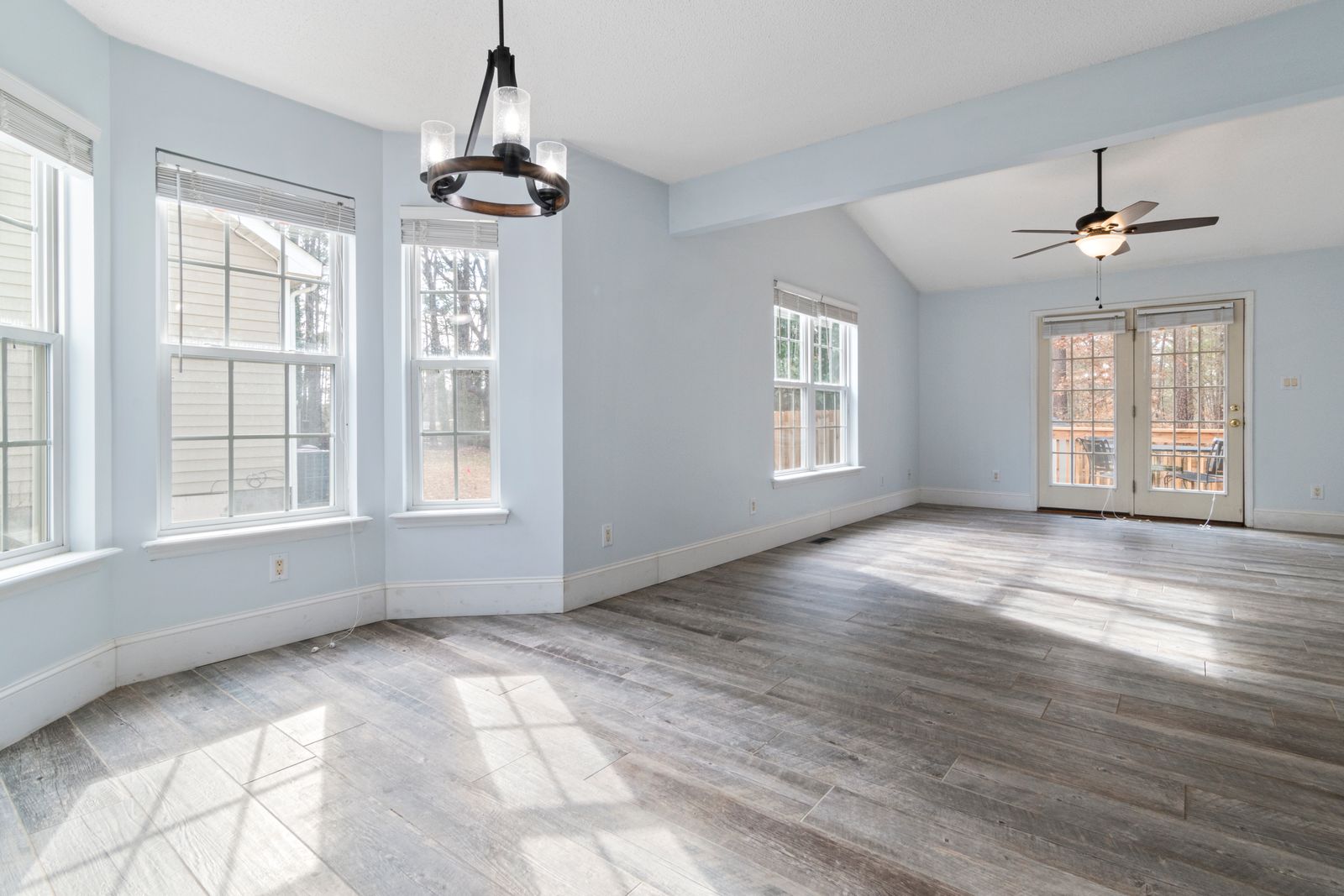
When a rental turns over, the obvious task is cleaning. The harder decision is identifying which repairs must happen before a new occupant moves in, which improvements are worthwhile, and how to get reliable pricing without bringing five different contractors to the property.
For a Marietta single-family rental, townhouse or small multifamily unit, use one documented walkthrough to create a prioritized scope. Take wide photos of every room, followed by close-ups of defects. Mark each item as urgent/safety, functional repair or cosmetic improvement. That distinction keeps a small punch list from turning into uncontrolled renovation spending.
This guide is a general property-maintenance resource, not an inspection for code compliance or a guarantee that a unit is ready to rent. If there are safety, moisture, structural or licensed-trade concerns, address them with qualified professionals.
Visual guide
What to fix first in a rental turnover
Work through these three lanes in order. A cosmetic patch should not hide a moisture, electrical or structural problem.
Safety & active damage
Escalate hazards, leaks and urgent deficiencies before covering surfaces.
Functional repairs
Bundle doors, locks, plumbing fixtures, flooring and drywall scope.
Finish & presentation
Patch, blend paint, clean and review the property room by room.
The 15-point turnover repair checklist
Use the same order every time so urgent issues do not get buried under cosmetic requests. The goal is a clear scope—not a promise that every listed item needs replacement.
1. Safety, access and security
Start with anything that could affect safe access or a tenant’s ability to use the home. Separate repairs from matters requiring a qualified, licensed trade.
- 1
Entry doors and locks
Operate every entry door. Look for loose strike plates, misaligned latches, swollen or sticking doors, damaged weatherstripping and keys that no longer work reliably. Establish a key-control and rekeying plan appropriate to the property.
- 2
Stairs, handrails and trip points
Walk the normal route through the home and check loose railing connections, raised floor transitions, damaged stair nosings and uneven thresholds. Escalate any structural or fall hazard rather than treating it as a cosmetic repair.
- 3
Alarms, lights and electrical warning signs
Check that existing smoke and carbon monoxide alarms are addressed according to applicable requirements. Document nonworking fixtures. Sparking, warm outlets, repeated breaker trips or exposed wiring call for a properly licensed electrician—not a general punch-list patch.
2. Moisture, plumbing and bathrooms
Atlanta-area humidity and rain make moisture checks especially important. Photograph any concern before painting or replacing finishes.
- 4
Under-sink and fixture checks
Look beneath sinks and around supply connections, drains and toilet bases for stains, active drips, soft cabinetry or odors. A surface stain does not establish that a leak has been fixed.
- 5
Showers, grout and sealant
Inspect failed caulk, loose tile, cracked grout and deterioration around tubs and showers. Caulk is a finish detail, not a substitute for repairing damaged waterproofing.
- 6
Ceiling stains or soft drywall
Find and resolve the moisture source first. Drywall that is soft, sagging, repeatedly stained or potentially contaminated needs assessment before it is enclosed, patched or painted.
3. Walls, paint and finish quality
A rental can be mechanically sound and still photograph poorly. Focus cosmetic work on visible damage without concealing a deeper defect.


- 7
Drywall dents and anchor holes
Photograph each wall and ceiling in natural and artificial light. Group repairs by room and specify whether the scope is patch-only, paint-ready or fully painted.
- 8
Texture and paint blending
Matching color alone may not blend a repair: sheen, age and texture also matter. When several spots are visible on the same wall, a full-wall repaint may produce a more consistent finish than repeated touch-ups.
- 9
Trim, baseboards and cabinet fronts
Check loose base shoe, chipped corners, damaged cabinet hinges, doors that scrape and missing pulls. Small issues often make an otherwise clean property feel unfinished.
4. Floors, doors and high-traffic areas
Prioritize trip hazards, water damage and repairs that would become harder once a home is occupied.

- 10
Floor damage and transitions
Inspect lifted LVP edges, separated planks, cracked tile, soft subfloors and loose transition strips. Determine whether a local repair is practical before proposing full replacement.
- 11
Interior door fit
Test privacy latches, hinges, closet doors and door stops. Doors that rub may need adjustment, but recurring movement can require assessment of the frame or surrounding condition.
- 12
Kitchen cabinets and countertops
Operate drawers, hinges and cabinet doors; note water-damaged sink bases, failed edge sealant and chips. Photograph all defects before materials are ordered.
5. Heating, cooling and exterior checks
A quick visual checklist is useful, but it does not replace mechanical inspection or specialist diagnostics.
- 13
HVAC operation and filter condition
Record thermostat behavior, airflow complaints, blocked returns and visible filter condition. Strange smells, refrigerant concerns, combustion issues or persistent system faults need an appropriately qualified HVAC professional.
- 14
Gutters, drainage and weather protection
Look for visible debris, downspouts discharging toward the building, failed exterior sealant and signs of water entering around doors. Elevated work and roof repairs need appropriate equipment and professionals.
- 15
Exterior access and site conditions
Inspect fence gates, loose exterior hardware, trip points and visible damage along the normal path to the door. Document what can be handled in a maintenance visit versus a separate specialty scope.
How to prioritize repairs without overspending
Group the work into three lanes. First, escalate anything affecting safety, active water intrusion, major equipment or a suspected structure issue. Second, handle functional repairs—door hardware, flooring transitions, damaged fixtures and recurring maintenance problems. Third, decide which cosmetic improvements will actually improve the property's condition or presentation.
Do not authorize the cosmetic portion until unresolved moisture and mechanical concerns are understood. Painting a stain before addressing its source may leave the property needing the same work again. A lower bid can also be misleading if it leaves out removal, materials, primer, paint, trim, disposal or necessary return visits.
Where practical, bundle compatible work by room or trade. For example, a turnover may combine drywall patching and painting, door and hardware repairs, floor repairs and minor trim work. More complex kitchen renovation belongs in a separate defined scope, and HVAC concerns may require specialist assessment.
Estimate workflow
How to turn photos into one clear work order
A defined scope makes approvals easier and helps prevent surprises during a vacancy window.
Wide room shots plus close-ups of every issue
Add quantities, dimensions and material details
Separate safety, repairs and cosmetic finishes
Confirm inclusions, exclusions and change orders
What to send before requesting a turnover quote
A clear request saves back-and-forth. For a Marietta-area property, send the ZIP code, access constraints, preferred completion window, room-by-room photos and one consolidated list. Note which materials are already on site and whether the property will be vacant during the work.
- One wide photograph of each affected room and close-ups of each repair
- Approximate dimensions or quantities—floor square footage, trim length or number of doors
- Whether the repair involves moisture, electrical, HVAC or possible structural concerns
- Finish requirements: patch-only versus paint-ready versus fully finished
- The property ZIP code, parking/access instructions and target move-in date
- Which repairs need a written change approval if concealed damage is discovered
For an initial discussion, photographs can often clarify the scope. Final pricing for complex work may require an on-site assessment, with any fee explained before scheduling. Ask for exclusions and potential change-order conditions in writing.
Marietta rental turnover FAQs
How soon should rental turnover repairs be scheduled?
Ideally, assess the property as soon as lawful access is available and before listing photos or the next move-in. The actual schedule depends on scope, trades, materials, permits and property access.
Should a property manager hire separate trades for every repair?
Not necessarily. Bundling related drywall, paint, doors, trim and flooring work can reduce repeat scheduling and site visits. Electrical, structural, HVAC and plumbing work still needs the appropriate qualified trade where required.
Do I have to replace an entire floor for one damaged section?
Sometimes a localized board or tile repair is possible. Matching materials, moisture, subfloor condition and installation system determine whether it makes sense.
Can I get a useful initial estimate from photos?
Clear room-wide photos, close-ups, approximate dimensions, the property ZIP code and desired completion window help define an initial scope. Concealed damage and complex renovations may require an on-site assessment.
Does this checklist replace a code or habitability inspection?
No. It is a practical maintenance-planning checklist, not a legal, building-code or licensed inspection. Confirm applicable requirements with the relevant authority or qualified professional.
For Marietta rentals, local ordinances, permits, lease terms and safety obligations may apply. This checklist is maintenance guidance, not legal advice or a substitute for inspections by qualified professionals.
Atlanta Handyman Company
Need several repairs handled at one property?
We help property managers, landlords and investors plan repair punch lists, drywall and paint work, doors and hardware, flooring and related improvement projects around Metro Atlanta, including Marietta. Send photos and a consolidated scope so we can discuss the right next step.
Planning another project? Browse our Atlanta home improvement guides or explore general property repairs.