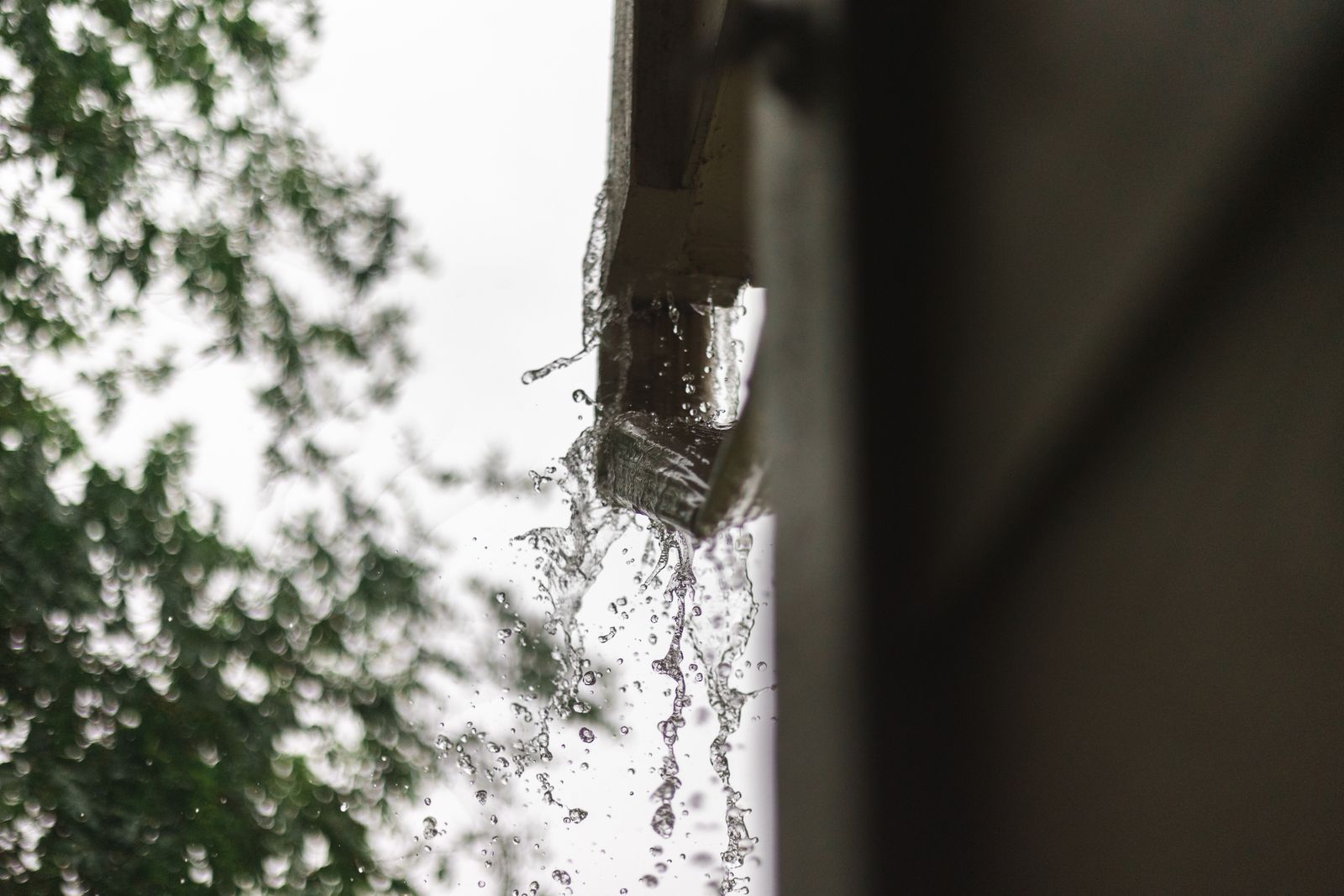
Short answer: when rain enters a rental property, inspect five exterior zones in order—roof drainage, windows and wall openings, doors and thresholds, ground drainage, and decks or penetrations. Document where water appears and when, then correct the actual source before repairing interior drywall, paint or flooring. A stain below a window does not prove the window itself is the cause.
This guide is for owners and managers of rental houses, small multifamily buildings and scattered-site portfolios around Atlanta, Marietta, Decatur, Smyrna and Sandy Springs. It is a safe ground-level documentation process, not a roofing inspection or a substitute for a building-envelope specialist. Property conditions and local permit requirements differ by jurisdiction and scope.
Document the leak before the evidence dries
A tenant might report a dark baseboard, a damp bedroom corner or water at an exterior door. Resist writing a ticket for “paint patch” based only on that visible symptom. Ask the tenant which room and wall are affected; when the water first appeared; whether wind-driven rain, ordinary rainfall or a plumbing event preceded it; and whether there is standing water, a ceiling bulge or electrical involvement.
Request a wide room image, a closer view of the damage and a photo of the outside of that wall if it can be taken safely. Where practical, use a simple building sketch and label each leak by floor, unit, wall orientation and time. A recurring patch after every storm needs a source investigation—not a third coat of stain-blocking primer.
Keep people clear of water around outlets, light fixtures or electrical panels; a sagging ceiling; unstable or damaged framing; sewage; or substantial standing water. Use emergency services or the appropriate qualified electrical, structural, plumbing or remediation professional. Do not enter an unsafe area for photos.

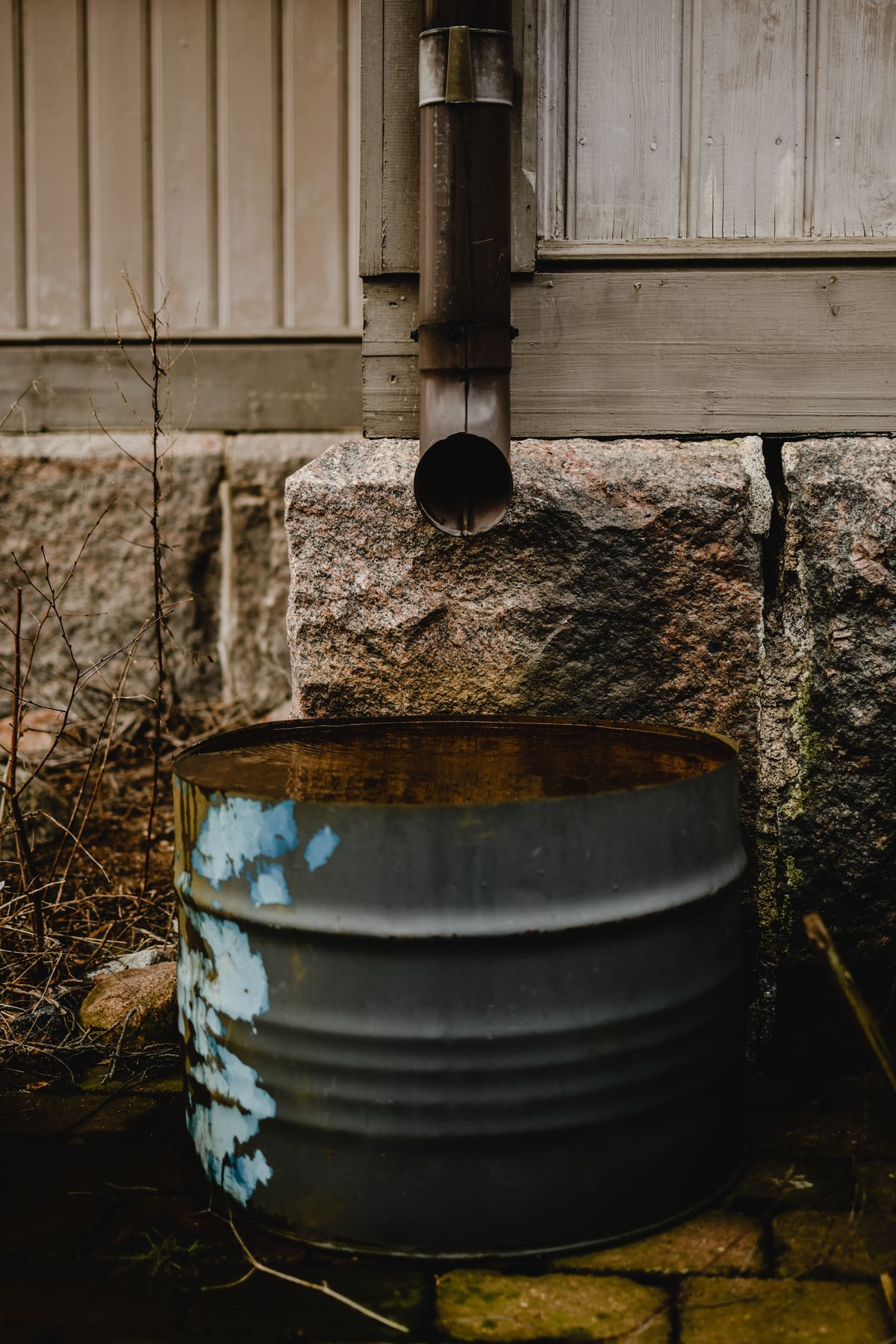
Visual guide 01 · Exterior inspection map
Five places to look from safe ground level
Start above the interior problem and follow the possible path of rainwater downward. Water can move along framing and other concealed surfaces, so the nearest visible gap may be unrelated. The U.S. Environmental Protection Agency's building moisture-control guidance examines drainage, foundations, walls, roofs and building systems as related parts of the problem.
Roof edge, gutters and downspouts
Window and wall openings
Doors, thresholds and landings
Ground level and foundation
Porches, balconies and penetrations
Remember that air leakage and rainwater leakage are not the same problem. The Department of Energy describes caulk for stationary cracks and weatherstripping for moving door and window joints. Those measures can help with drafts, but cannot by themselves correct faulty drainage or failed waterproofing. See DOE air-sealing guidance.
Visual guide 02 · Decision path
The right order: safety, source, drying, finishes
The sequence matters for both occupants and budget. Cosmetic work scheduled ahead of water-source repairs can make a second visit inevitable and hide damage that still needs attention.
01 / Make safe
Is there active water near electricity, a sagging ceiling, a damaged structure or contaminated water? Restrict access and obtain emergency or qualified help.
02 / Trace the path
Photograph the exterior from a safe location, note the weather and check what is directly uphill or above the interior stain.
03 / Fix the source
Arrange the trade needed for roofing, flashing, drainage, plumbing or structural faults before specifying cosmetic work.
04 / Verify dry & restore
Confirm affected assemblies are adequately dry and sound, then scope drywall, trim, paint and flooring repairs.
EPA advises fixing moisture problems before remodeling and notes that downspout runoff or site grading can contribute to damp building assemblies; see its remodeling and indoor air guidance. If an interior space already has damaged drywall or flooring, our water-damage repair-versus-replacement guide explains the next decisions after the source is identified.
How to write a useful multi-property work order
For a portfolio, standardize the documentation without assuming every repair will be identical. A good request identifies the building and unit, leak location, date and weather conditions, likely source if known, photographs, measurements, access restrictions and interior damage. Use “suspected source” rather than stating a diagnosis you have not verified.
Send this with your estimate request
- Building address, unit identifier, manager contact and access instructions.
- Interior overview, close-up and safe exterior photographs of the affected elevation.
- Leak timing, rainfall or wind conditions, repeat history and any past repair records.
- Approximate affected dimensions, floor coverings, trim and drywall finish details.
- Separate line items for source investigation, specialist work, drying or remediation and finish restoration.
- Required approvals and whether occupied rooms, tenants or business operations will be disrupted.
A manager collecting several defects at one property can combine eligible general repairs, door and hardware work, trim and carpentry repairs, and later drywall and painting under a coordinated, approved scope. Do not bury specialized roof, foundation, electrical or remediation work inside an ambiguous “handyman miscellaneous” line.
When this stops being routine property maintenance
Roof leaks, damaged flashing, major grading or drainage corrections, structural movement, concealed wet framing, suspect mold growth or water around electrical equipment need appropriate professional evaluation. So do storm-damaged exterior walls and situations where the leak may involve shared building systems. A visual exterior walk is a triage step, not a certificate that the building is safe.
Roof and ladder access adds fall risk. Managers should use safe ground-level photographs and engage properly trained, equipped providers for elevated inspection. The precise contractor licensing, permits and owner approvals depend on the work and municipality; do not assume that a general repair estimate covers regulated trades or waterproofing design.
For small portfolio managers in Atlanta's mixed stock of detached houses, older duplexes and modern townhomes, the most useful outcome is an evidence-based scope: a confirmed cause, the right trade, an explicit restoration sequence and documentation the owner can retain for the next maintenance cycle.
Exterior rain leak FAQs for Atlanta rental owners
Can I just recaulk the outside of a leaking window?
Only after understanding the water path. Caulk can help with an appropriate stationary joint, but a missing or failed flashing detail, drainage opening or concealed wall defect may require more substantial work. Do not seal designed weep paths.
If a door leaks only during heavy rain, is the door defective?
Not necessarily. The problem may involve the door sweep, threshold, sill-pan flashing, adjacent siding or water flowing toward the entrance. Document wind direction, rainfall and where water appears before replacing the whole door.
Who should inspect an overflowing gutter on a two-story rental?
Use an appropriately equipped gutter or roofing contractor. Property managers can document overflow safely from the ground, but should not send tenants or untrained staff onto ladders or roofs.
Should we paint over the stain after the next dry day?
Not until the source is addressed and the wall or ceiling assembly has been evaluated and dried. A dry surface does not guarantee hidden insulation, sheathing or cavities are dry.
How do I request one quote for several buildings?
Provide each address, building and unit identifier, photos taken from a safe position, the date and conditions of leakage, dimensions, access notes and which interior finishes are affected. Separate source repairs from later restoration and list any licensed-trade or specialist work.
Coordinate the repair, not just the patch
Need a multi-item exterior and interior repair scope?
Atlanta Handyman Company can review your property repair list and help identify appropriate next steps and specialist boundaries. Send the location, photos, symptoms and timeline. We'll confirm what falls within the available scope before scheduling.
Editorial photographs illustrate general building conditions and are not representations of completed AHC projects. Sources: U.S. EPA moisture control, EPA remodeling guidance, and U.S. DOE air sealing.