5 Signs You Need Electrical Repairs in Your Atlanta Home
From older wiring to modern electrical loads, Atlanta homes face unique electrical challenges. Here's how to spot issues before they become dangerous or expensive.
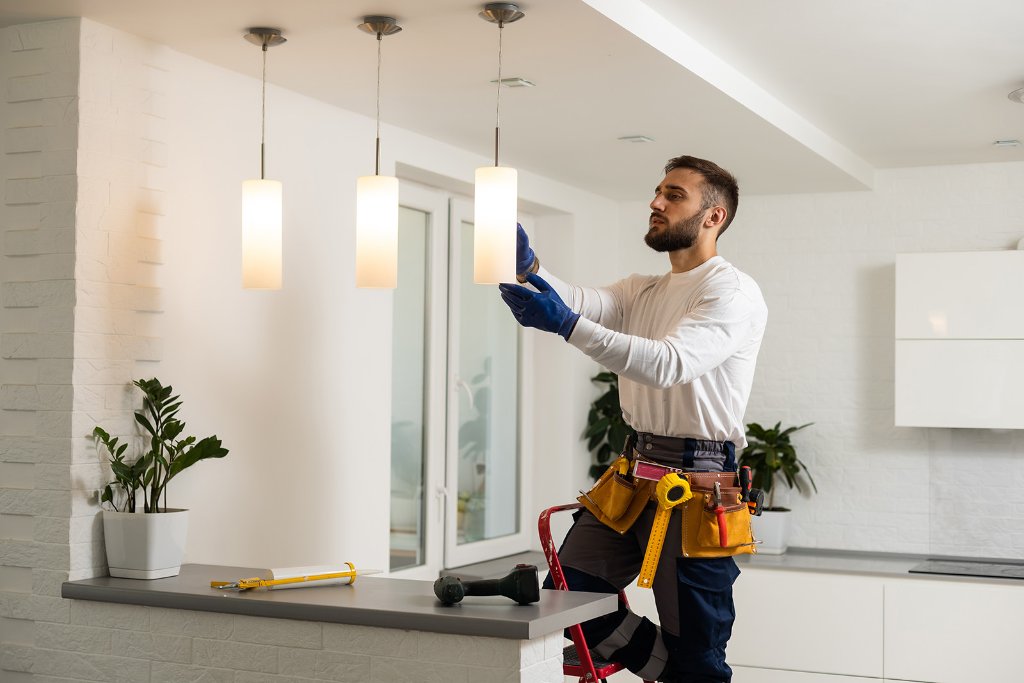
Atlanta's mix of historic homes, humid climate, and modern electrical demands creates a perfect storm for electrical issues. Whether you're in a Craftsman bungalow in Virginia-Highland or a renovated ranch in Decatur, understanding the warning signs of electrical problems can save you from costly repairs—or worse, dangerous situations. Many Atlanta homeowners overlook subtle electrical issues until they escalate. The good news? Most problems give clear warning signs before they become serious.
1. Flickering or Dimming Lights
If your lights flicker when you turn on the microwave or dim when the HVAC kicks in, you're likely dealing with loose wiring, an overloaded circuit, or aging fixtures. This isn't just annoying—it's a sign your electrical system is struggling to handle demand.
In Atlanta, this issue is especially common in older homes built before modern electrical codes. Many homeowners have added central air, smart home devices, and high-powered appliances to homes originally wired for much lighter loads. Over time, connections loosen, circuits become overloaded, and your lights start telling the story.
If your lights flicker consistently, it's time to have a professional inspect your wiring.
2. Circuit Breakers That Trip Frequently
Circuit breakers are designed to trip when they detect an overload or short circuit—they're protecting your home from electrical fires. But if you're constantly resetting breakers, something's wrong. It could be a faulty breaker, an overloaded circuit, or a more serious wiring issue.
Many Atlanta homes, particularly those built in the 1960s through 1980s, still have outdated electrical panels that weren't designed for today's electrical loads. Adding modern appliances, EV chargers, or home offices to these systems often pushes them beyond capacity. Ignoring frequent trips isn't just inconvenient—it's dangerous.
Frequent breaker trips require professional diagnosis—don't just keep resetting them.
3. Warm Outlets or Burning Smells
Outlets should never feel warm to the touch. If they do—or if you smell burning plastic or notice scorch marks—you're dealing with a serious fire risk. Heat buildup typically indicates loose connections, damaged wiring, or outlets handling more current than they're rated for.
This issue demands immediate attention. Electrical fires don't always start with dramatic sparks—they often begin with small heat buildups that smolder behind walls. In Atlanta's humid climate, moisture can also corrode connections over time, increasing resistance and heat. If you notice warmth or burning smells, stop using the outlet immediately and call a professional.
Warm outlets or burning smells are electrical emergencies—don't wait to address them.
4. Dead Outlets or Switches
A single dead outlet might seem minor, but it's often a symptom of a larger problem. Wiring failures, loose connections, tripped GFCI outlets, or damaged receptacles can all cause outlets to stop working. Sometimes the issue is isolated—but other times, it points to problems deeper in your electrical system.
In Atlanta homes, dead outlets are frequently linked to GFCI issues, especially in bathrooms, kitchens, and outdoor spaces. GFCI outlets are designed to shut off power when they detect moisture or electrical faults, which is critical for safety. However, when one GFCI trips, it can affect multiple downstream outlets. Understanding your home's wiring layout helps, but professional troubleshooting is the safest approach.
Dead outlets aren't just inconvenient—they can signal hidden wiring problems.
5. Buzzing Sounds or Sparks
Electricity should be silent. If you hear buzzing from outlets, switches, or your electrical panel, you're likely dealing with electrical arcing—a phenomenon where current jumps across gaps in damaged or loose wiring. Arcing generates heat, damages components, and can ignite fires.
Similarly, visible sparks when plugging in devices are never normal. Small, brief sparks can occur occasionally due to residual current, but consistent or large sparks indicate serious problems. If you see sparks or hear buzzing, turn off power to the affected area at the breaker box and contact a professional immediately. Do not attempt to investigate or repair this yourself.
Buzzing or sparks require immediate professional attention—safety first.
When to Call an Electrician or Handyman in Atlanta
For minor electrical repairs like outlet replacements, switch installations, light fixture work, and basic troubleshooting, a skilled handyman can handle the job safely and efficiently. For major electrical work—panel upgrades, rewiring, or new circuit installations—you'll need a licensed electrician. At Atlanta Handyman Company, we handle residential electrical repairs that fall within handyman scope and can refer you to trusted electricians for larger projects. Either way, addressing electrical issues quickly protects your home and your family.

